
The Five Masks Women Veterans Wear
Naming the mask is the first step to setting it down.
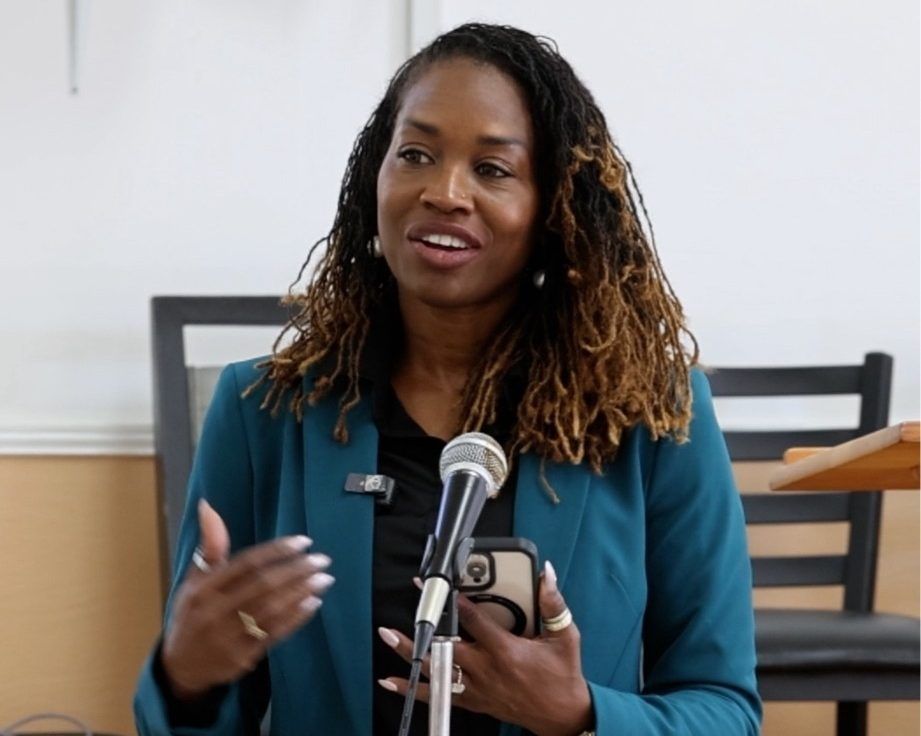
Sometimes the hardest part of leaving the military isn't taking off the uniform. It's confronting everything we've learned to hide beneath it.
I served more than 21 years in the U.S. Army. I know what it feels like to be accomplished and still feel lost inside. My own transition was messy and humbling, a quiet storm of grief, strain, and unanswered questions about who I was without the rank and the nonstop mission.
I'm not alone in that. In a national survey of 822 U.S. women veterans, 69% described their transition from military to civilian life as difficult. Only 6% called it easy [1].
For years, many of us were the leader, the problem solver, the protector, and the person everyone depended on. We got very good at looking fine. Over time, looking fine became a mask.
I see five masks again and again in women veterans. You may recognize one. You may recognize all five. Either way, naming the mask is the first step to setting it down.
Mask 1: The Strength Mask
"Everyone depends on me. I can't afford to fall apart."
This is the woman who has spent years carrying responsibility, leading others, and appearing strong, even when she's struggling privately.
She's the one people call when something goes wrong. She knows how to take charge, solve problems, and keep moving forward. But behind that strength, she may be exhausted, overwhelmed, or unsure how to ask for support.
What the research says: In a study of U.S. women veterans after transition, one Air Force veteran said, "It just made me feel like I was weak for asking for help." Another described falling back on "suck it up and drive on." Their advice to other women was simple: don't be afraid to ask for help [2, 3].
What she needs to hear: You can be strong and still need support.
Mask 2: The Identity Mask
"I know who I was in uniform, but I don't know who I am without it."
This is the woman navigating the loss of rank, structure, belonging, and the identity that once defined her.
In uniform, she knew her mission, her responsibilities, and where she fit. Now she's navigating a world where her military accomplishments may not translate into the same sense of purpose or belonging.
What the research says: In the same survey of 822 U.S. women veterans, 85% said they felt a strong sense of purpose while serving. Since leaving the military, only 49% said the same [1]. A study of 10 U.S. women who retired from military careers found "feeling lost" was a core theme of their identity during transition [4]. Earlier, Demers found that 17 U.S. women Iraq War veterans felt caught between military and civilian cultures [5].
What she needs to hear: Your identity is bigger than the uniform you wore.
Mask 3: The Confidence Mask
"Everyone thinks I'm successful, but I question whether I'm enough."
This is the woman whose accomplishments are visible but whose self-doubt, imposter feelings, and uncertainty remain hidden.
She has credentials, leadership experience, and a record of achievement. Yet she may hesitate to pursue opportunities, speak up, or acknowledge her own value.
What the research says: Among post-9/11 U.S. women veterans surveyed about six and a half years after leaving the military, 59% reported feeling underemployed for their skills, education, or leadership experience [6]. Women who retired from military careers also described "dissatisfaction with opportunities in the civilian world" [4].
What she needs to hear: You don't have to prove your worth to deserve your next chapter.
Mask 4: The Invisibility Mask
"I served, I led, I sacrificed, yet I still feel unseen."
This is the woman who struggles to have her military service, leadership, contributions, and experiences recognized after transitioning.
She may have spent years proving she belongs in spaces where others were automatically accepted. Now she wants her voice, experiences, and contributions to matter without constantly having to justify them.
What the research says: A Disabled American Veterans report found that "women's service to the nation is often less recognized, less respected and less valued than their male counterparts." Women veterans at VA medical centers reported "frustration at having to prove they are veterans" [7]. One Army veteran put it this way: "When you get out, you are just you" [2]. In a study of 23 women veterans, a feeling of disconnection from civilians ran through every stage of building a civilian identity [8].
What she needs to hear: Your service matters. Your voice matters. You belong.
Mask 5: The Survival Mask
"I've learned to function through pain, but I am having difficulty living through it."
This is the woman who has mastered surviving difficult circumstances but wants to experience peace, purpose, connection, and fulfillment.
She's learned how to push through adversity, suppress emotions, and keep functioning. But surviving and truly living aren't always the same thing.
What the research says: A Penn State analysis followed post-9/11 U.S. women veterans for six and a half years after they left the military. Even among women who said they were fully transitioned within three years, one in three (33.3%) had problematic social well-being, meaning their social support and satisfaction were low [9]. In other words, getting through the transition is not the same as feeling connected on the other side of it.
What she needs to hear: You deserve a life that feels meaningful, not just manageable.
Why We Wear the Masks
None of these masks are signs of weakness. They are signs of training. They helped us lead, protect, and get the mission done.
The problem is not that we wore them. The problem is that no one told us we were allowed to take them off.
That is why I created the OWNIT™ Framework and founded Beyond The Uniform: to help women veterans reclaim who they are, honor what they've survived, and build a life that is aligned, not just busy.
You Don't Have to Keep Wearing the Mask
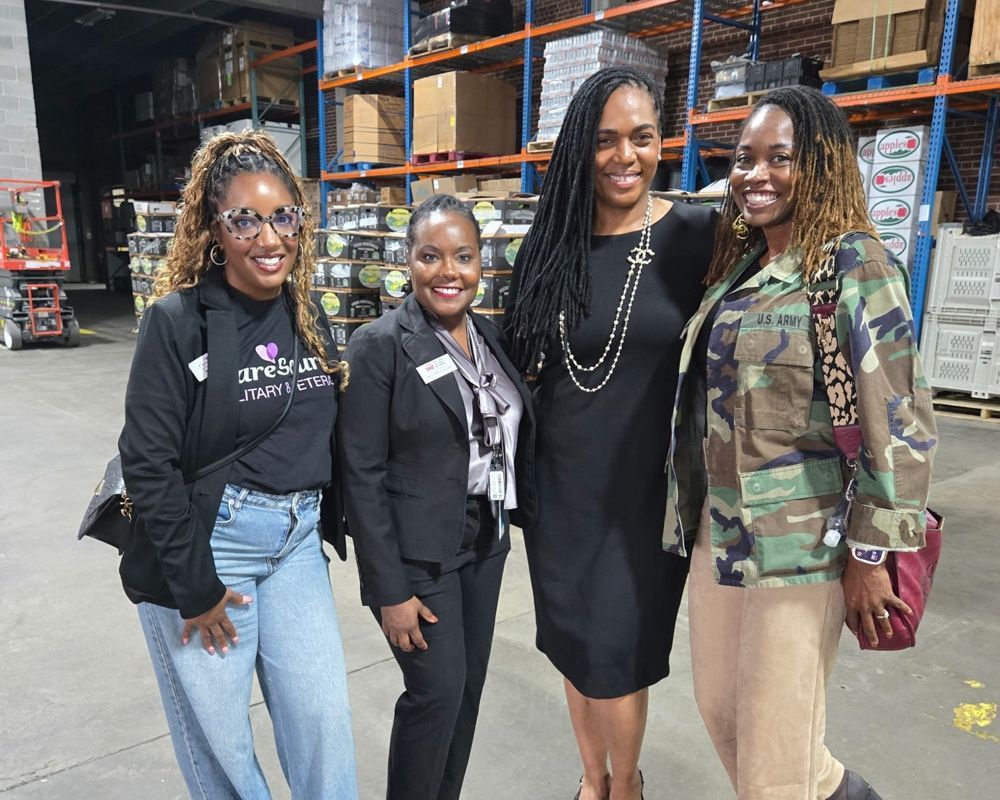
You are more than your rank, your responsibilities, your accomplishments, or the expectations you've carried.
Beyond The Uniform creates supportive spaces where women veterans can explore the parts of themselves they've learned to hide, reconnect with their strengths, and begin building lives aligned with who they are becoming.
You don't have to share anything you're not ready to share. You get to set the pace.
Ask yourself one question this week: Which mask feels heaviest right now? Write it down. That's your starting point.
You're not starting over. You're starting from experience.
Start Small. Start Now.
Download the free OWNIT™ Workbook. It's a simple first step to clarify your story, your values, and your next season.
Download Your Free OWNIT™ Workbook
Ready for community? Join the waitlist for OWNIT™ Group Coaching: A 6-Week Identity Reset for Women Veterans.
References
- Fletcher, K., McDaniel, J., Thomas, K., Scaffa, M., Albright, D., Alsheri, M., & Anthony, J. (2022). Transition services utilization among US women veterans. Journal of Veterans Studies, 8(1). https://doi.org/10.21061/jvs.v8i1.299
- Boros, P. (2019). An interpretive phenomenological analysis of women veterans transitioning back into civilian life [Doctoral dissertation, Nova Southeastern University]. https://core.ac.uk/download/pdf/215374581.pdf
- Boros, P., & Erolin, K. S. (2021). Women veterans after transition to civilian life: An interpretative phenomenological analysis. Journal of Feminist Family Therapy, 33(4), 330-353. https://doi.org/10.1080/08952833.2021.1887639
- Hinson, K. E. (2024). Understanding the experience of military retirement transition and U.S. female veterans' sense of identity (Order No. 31297987) [Doctoral dissertation]. ProQuest Dissertations & Theses Global. https://www.centreforevidence.org/article/20240419-understanding-the-experience-of-military-retirement-transition-and-u-s-female-veterans-sense-of-identity
- Demers, A. L. (2013). From death to life: Female veterans, identity negotiation, and reintegration into society. Journal of Humanistic Psychology, 53(4), 489-515. https://doi.org/10.1177/0022167812472395
- Clearinghouse for Military Family Readiness at Penn State. (2024, January). Comparisons of post-9/11 veterans experiencing perceived underemployment. https://veteranetwork.psu.edu/wp-content/uploads/2024/01/Comparisons-of-Post-911-Veterans-Experiencing-Perceived-Underemployment-12Jan2024-FINAL.pdf
- Disabled American Veterans. (2018). Women veterans: The journey ahead. https://www.dav.org/wp-content/uploads/2018_Women-Veterans-Report-Sequel.pdf
- Hardy, K. (2022). Process of identity development among women veterans who are transitioning from military to civilian life (Order No. 30240753) [Doctoral dissertation, University of the Cumberlands]. ProQuest Dissertations & Theses Global. https://www.proquest.com/dissertations-theses/process-identity-development-among-women-veterans/docview/2763553914/se-2
- Clearinghouse for Military Family Readiness at Penn State. (2025). Military-to-civilian transition: Social well-being of female veterans. https://veteranetwork.psu.edu/wp-content/uploads/2025/10/Military-to-Civilian-Transition-Social-Well-being-of-Female-Veterans-1Oct2025.pdf
Ready to lead beyond the uniform? Every engagement starts with a conversation. Book a discovery call with Renea.
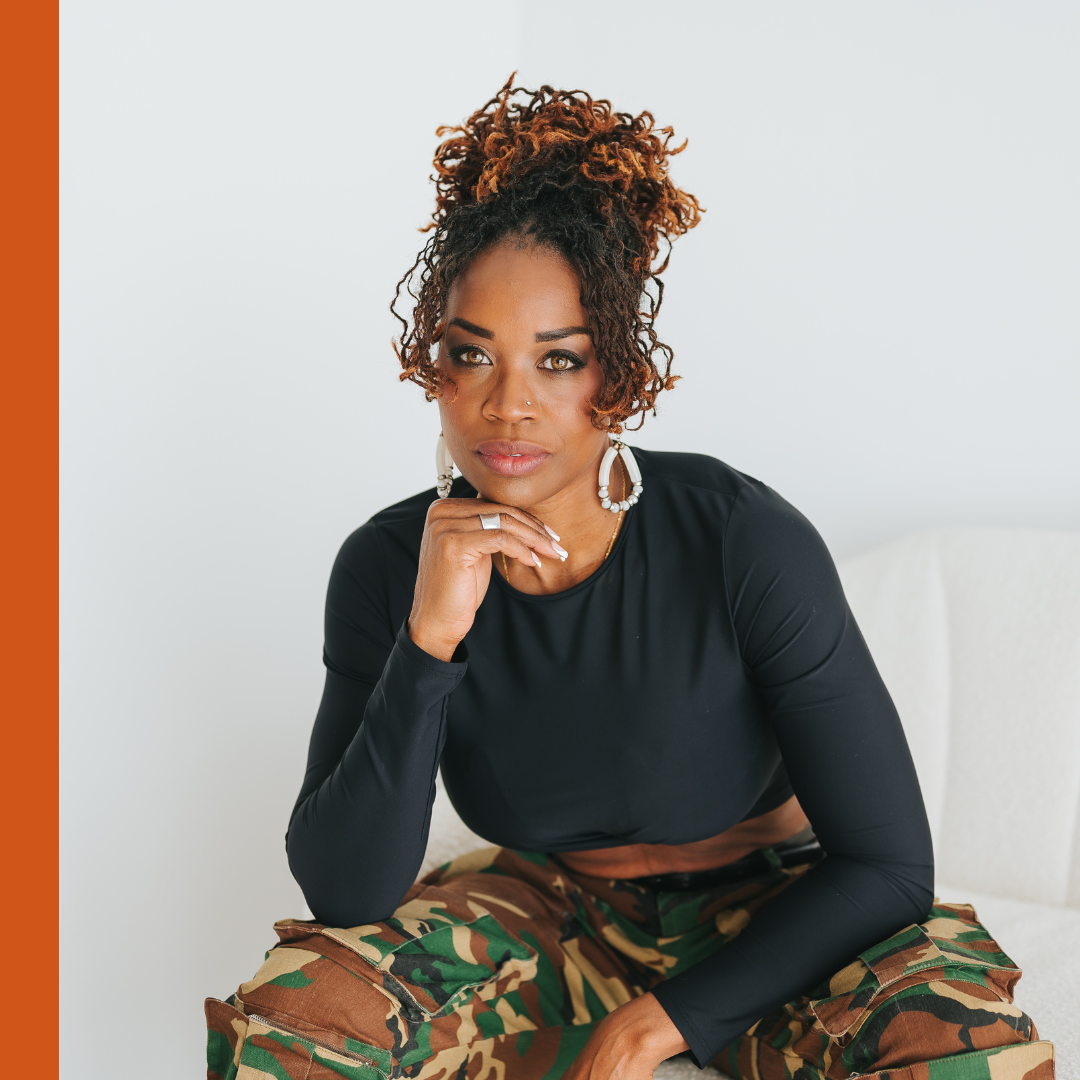
I’m Renea Jones-Hudson
Retired U.S. Army Captain, Doctoral Researcher, and founder of Beyond the Uniform. I help women veterans own their story and lead with confidence after service through OWNIT group coaching, speaking, and community.

Download your copy of the OWNIT Workbook